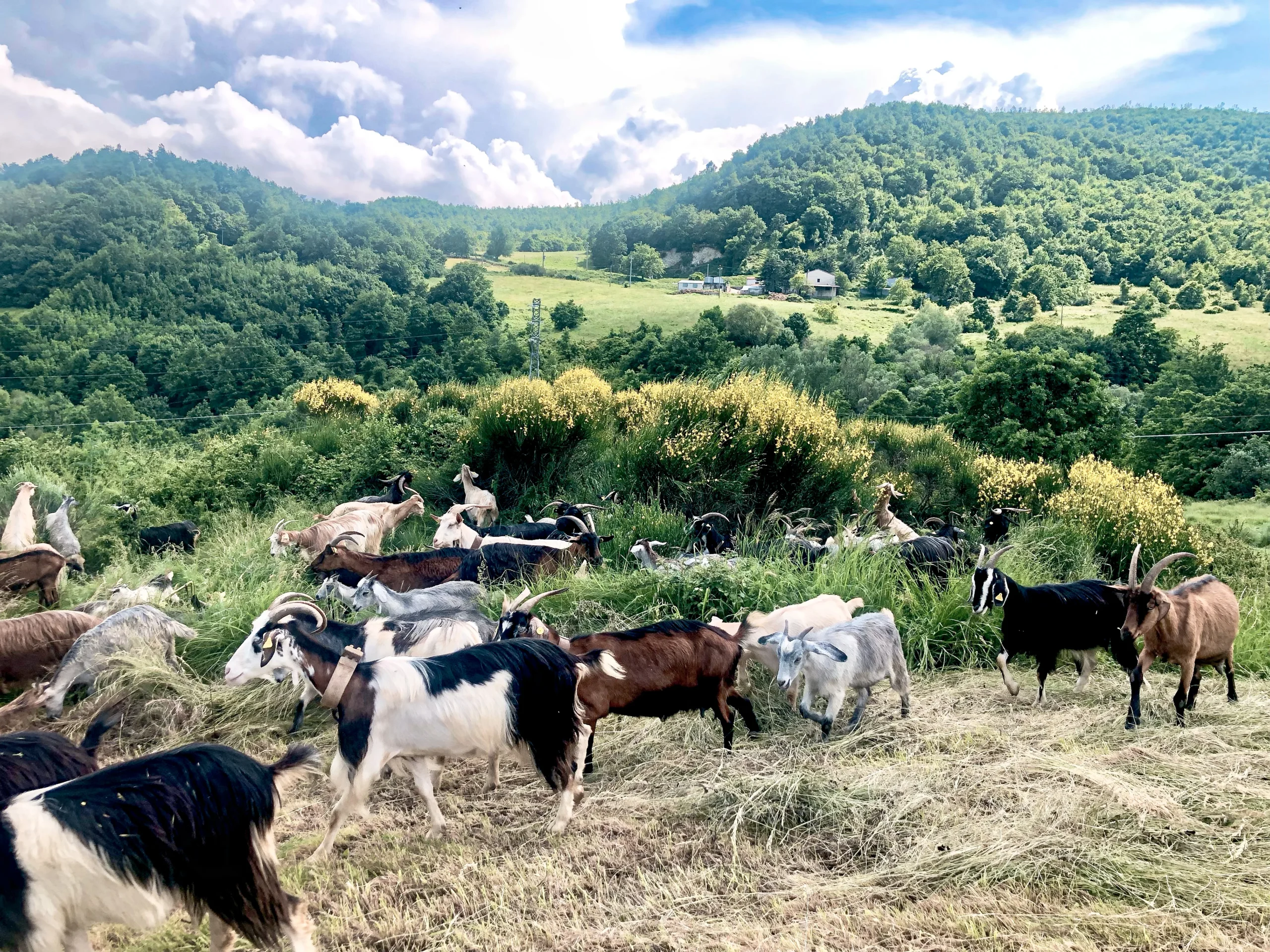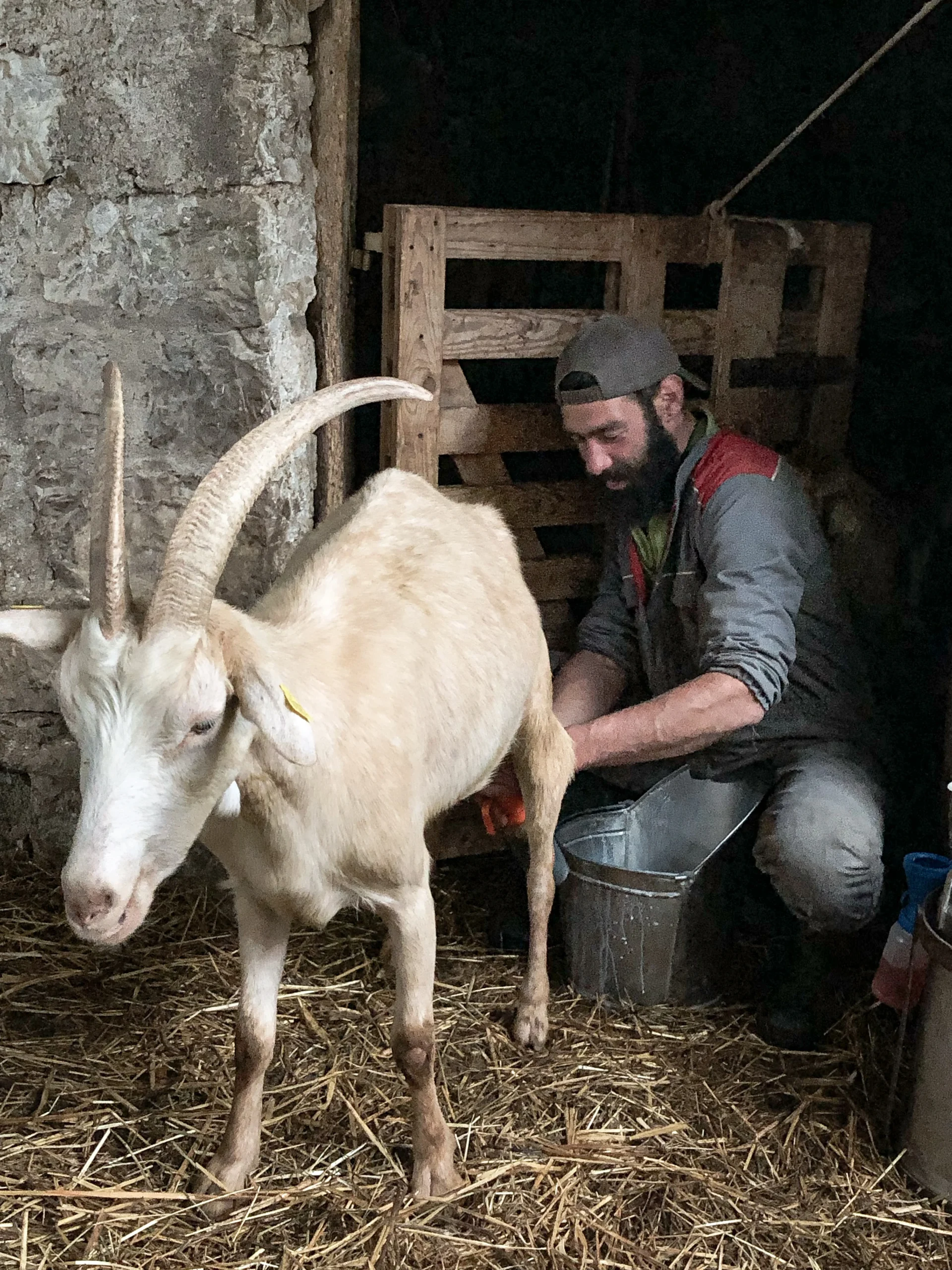

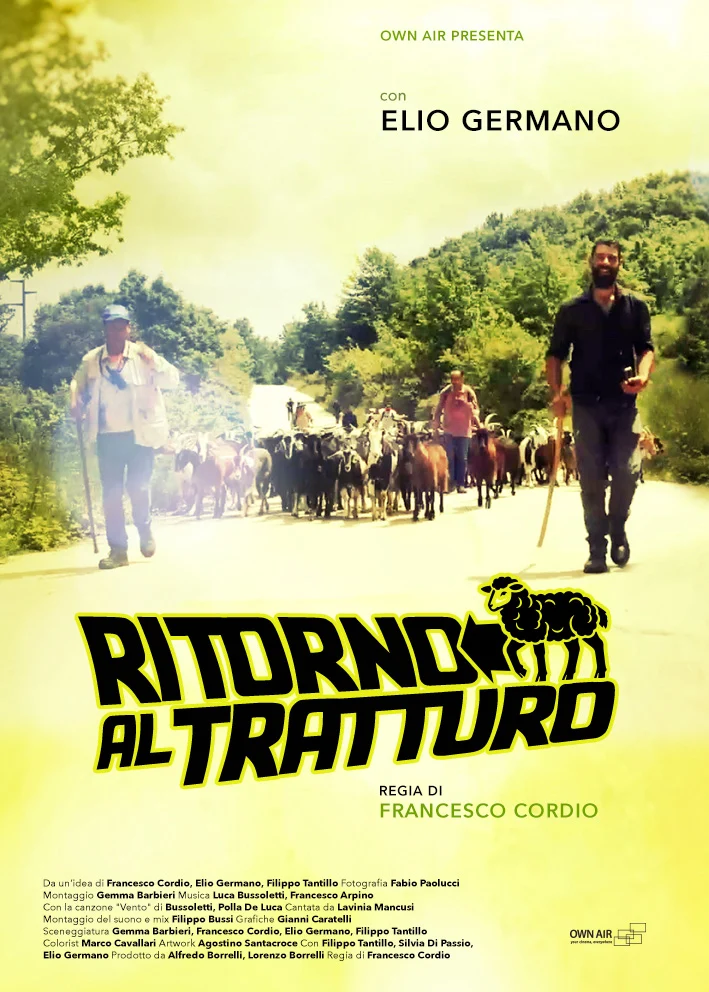
In Italy, there are places where reaching a school or a hospital may take several hours. Places where there is no network, no signal. These are the Internal Areas: they cover 60% of the national terrain and are home to 13 million people, a quarter of the population. Living here is difficult; dreaming here is even harder. Yet, something is stirring. Farmers, shepherds, artisans, small business owners and students: staying in the Internal Areas today means building new communities.
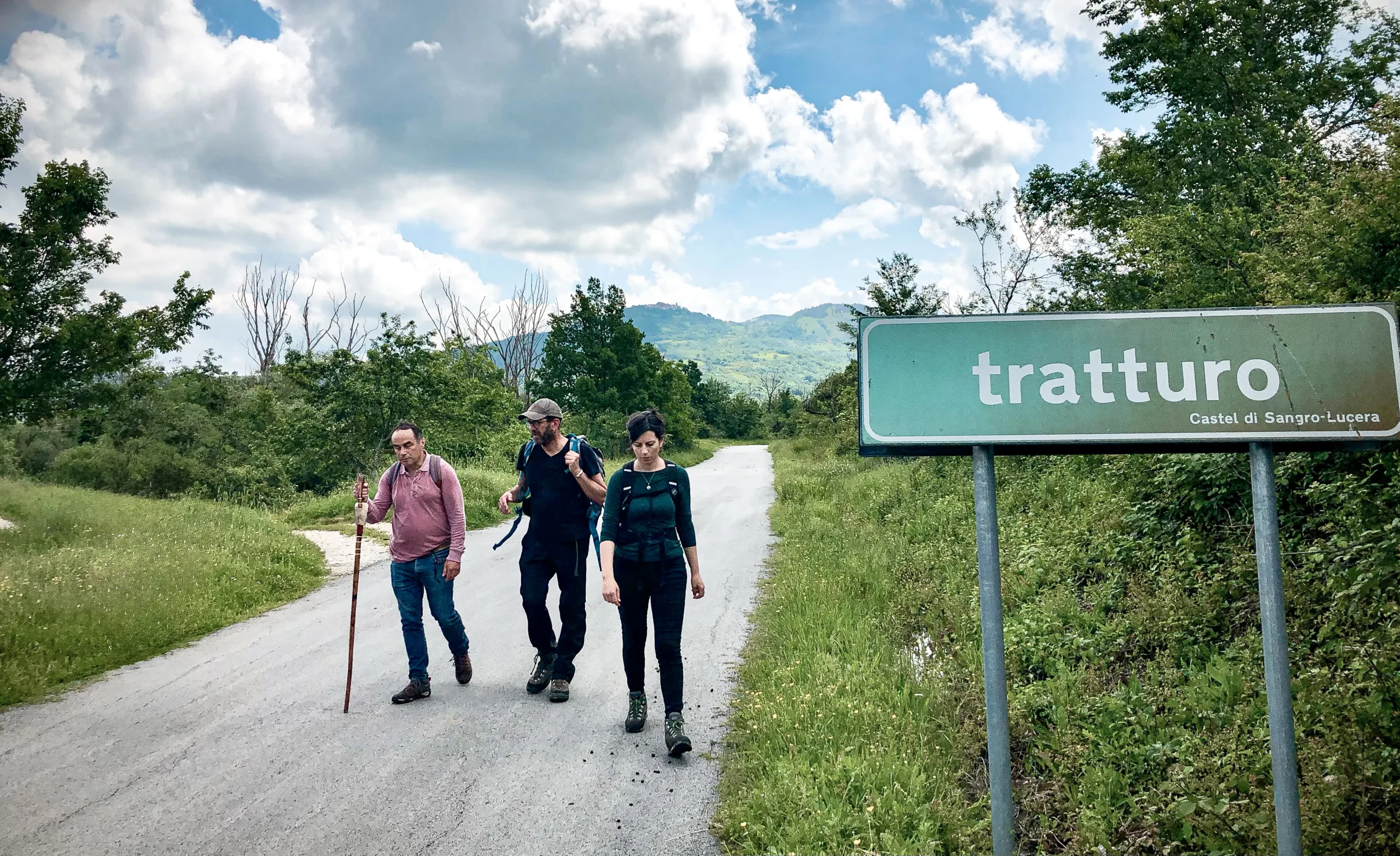
These local networks are emerging as an alternative to a development model that devours resources, consumes land, pollutes and produces wealth for the few and misery for the many. They represent the essence of collective action against the dominant ideology of ‘every man for himself’. Nowhere is this more evident than in the rolling hills of Molise, traversed for millennia by a constant flow of animals and people along sheep tracks.
This ‘great green river’, a hundred metres wide and hundreds of kilometres long, has for centuries connected the peoples of Europe with those of the Mediterranean. It is a nomadic experience that has profoundly shaped their identity. The people encountered on this journey speak of mobility and lightness, of craftsmanship and the pursuit of the essential. In their daily work, they care for these breath-taking landscapes and safeguard the biodiversity on which the future of our species depends.