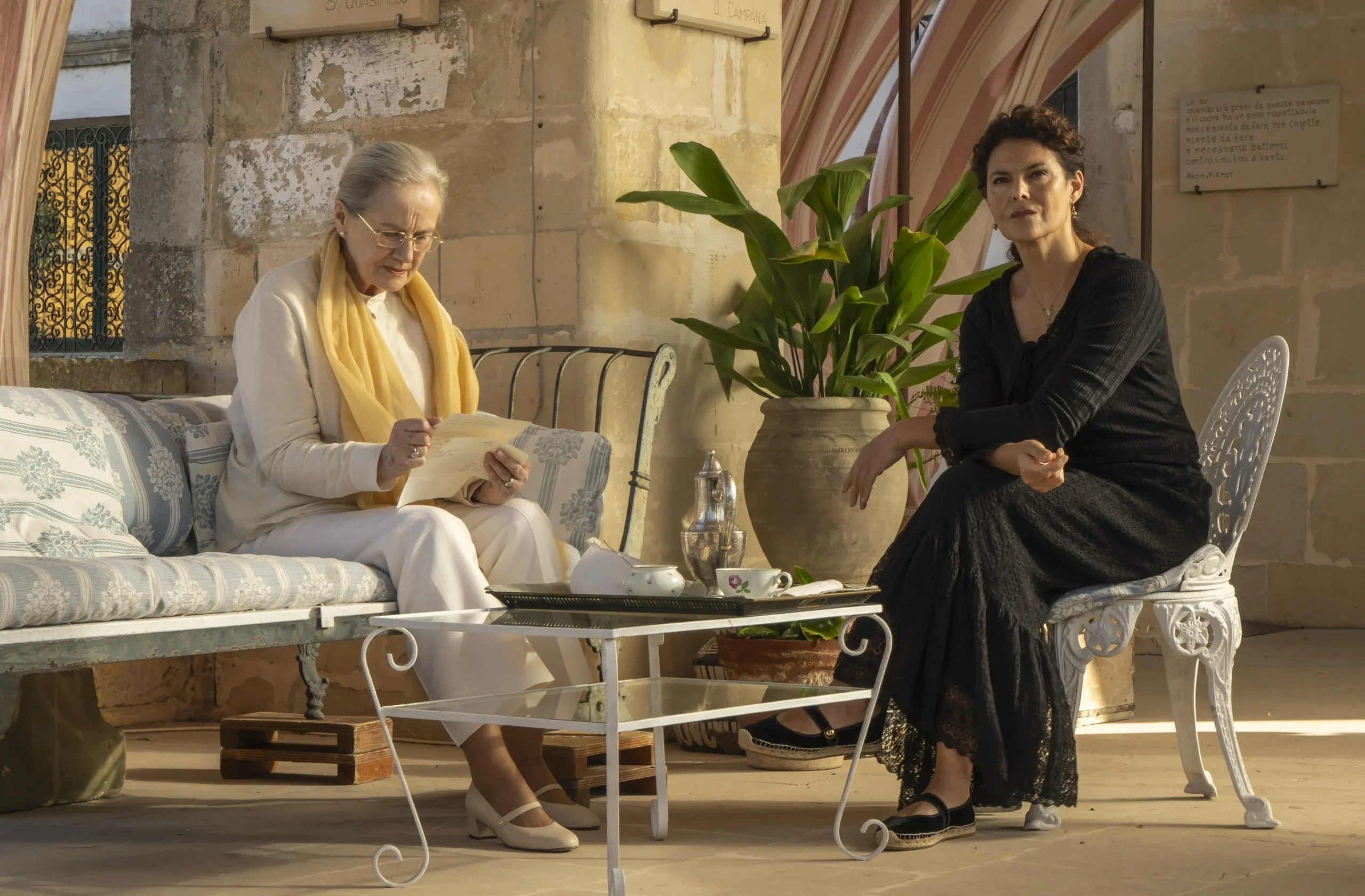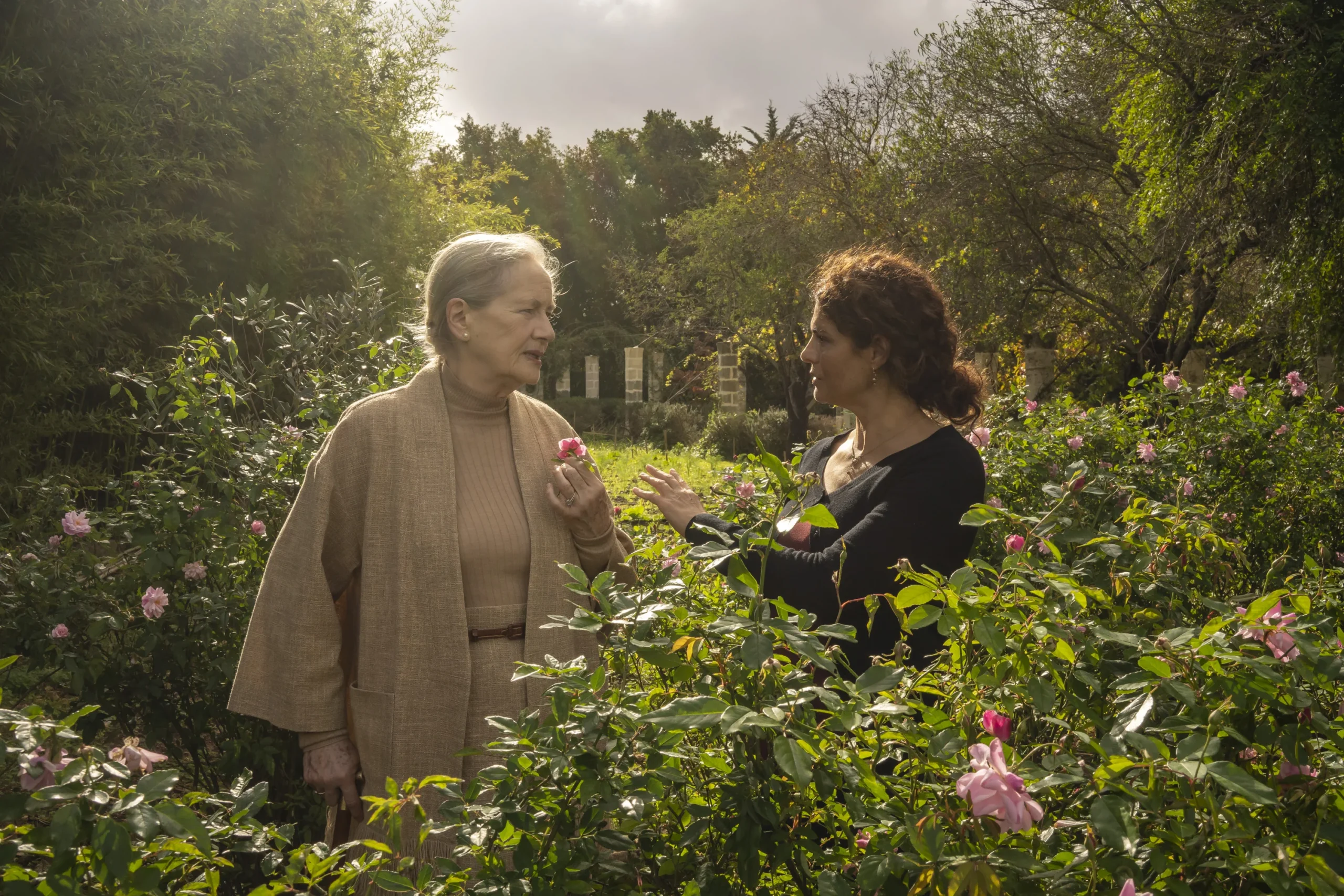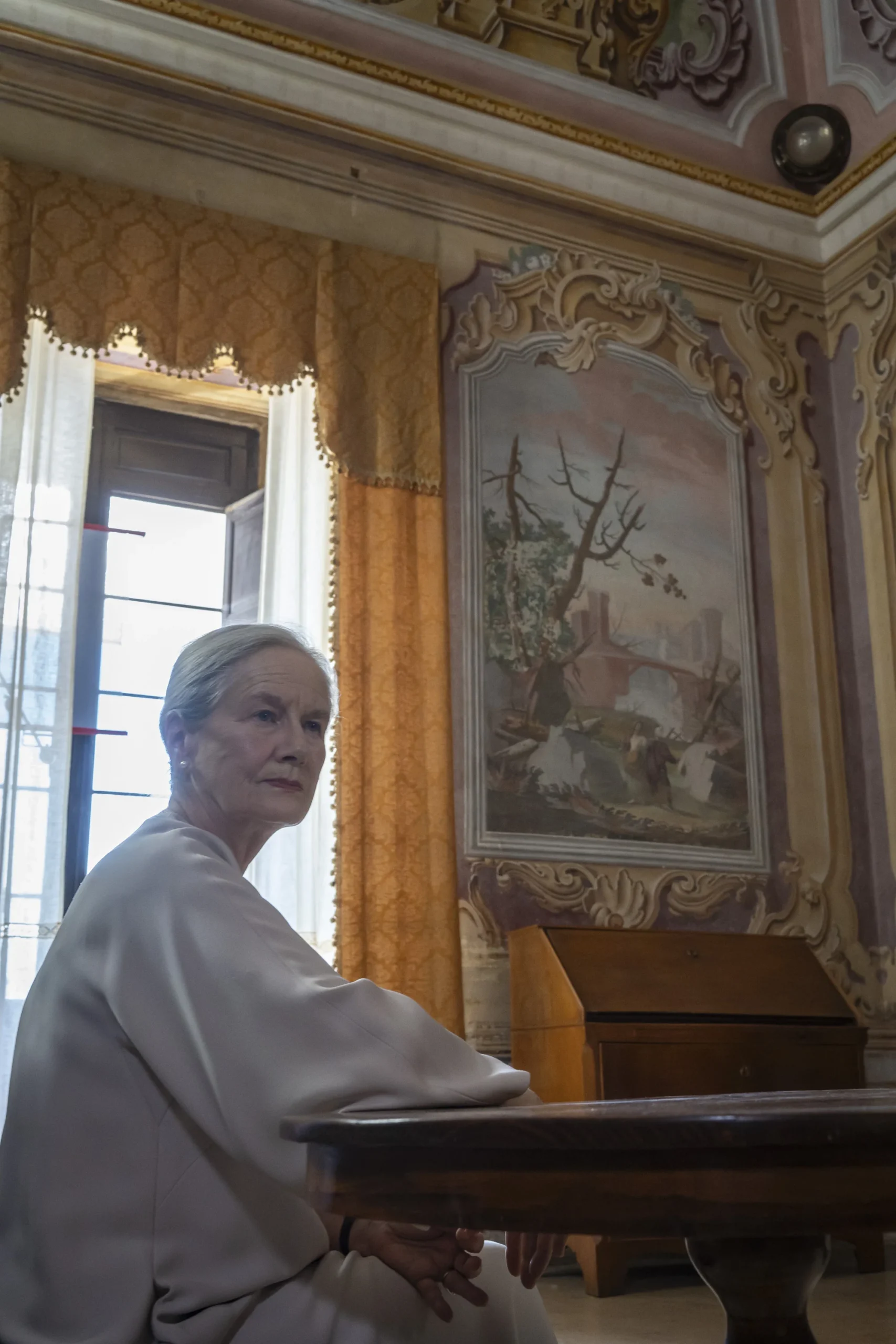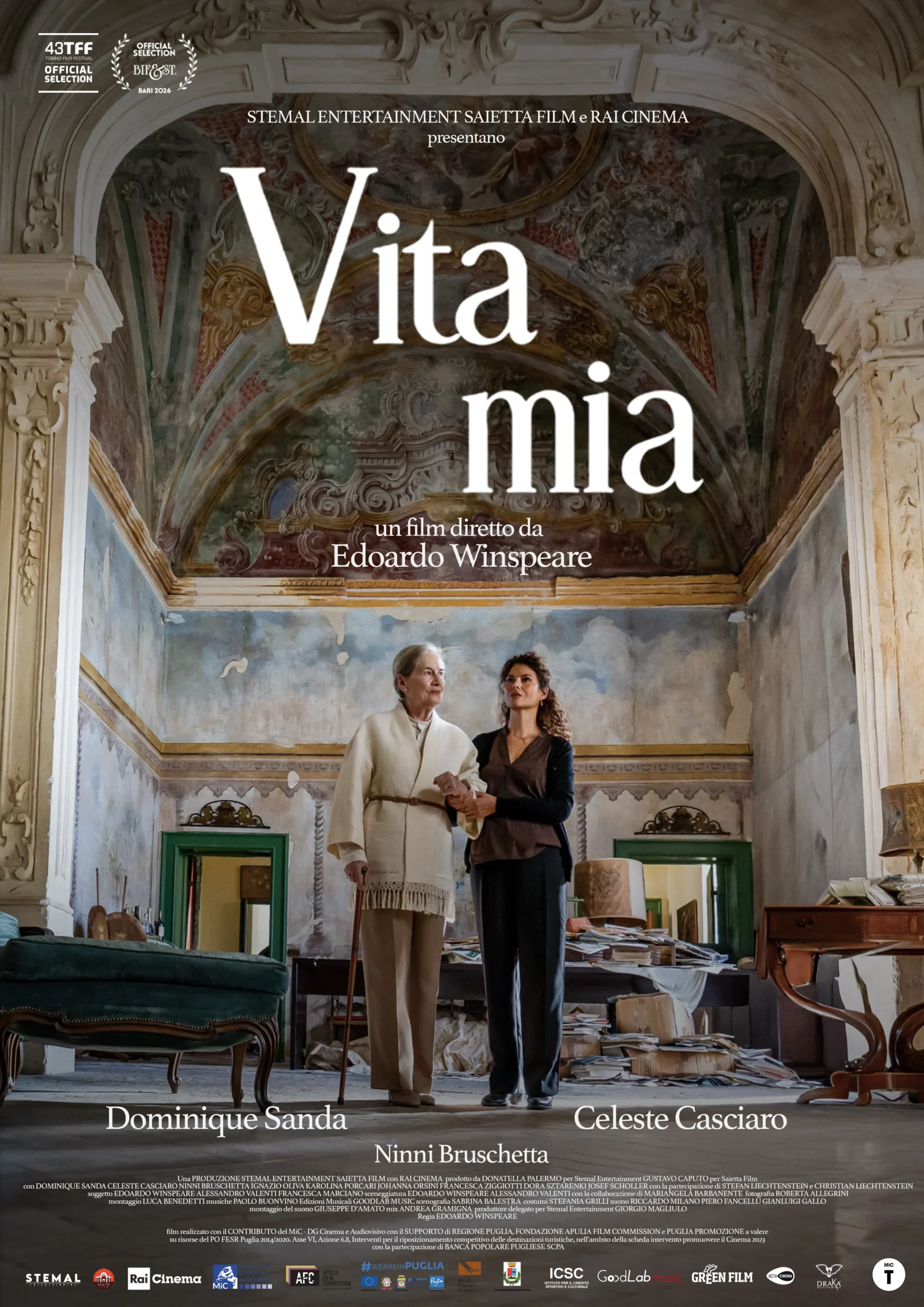
Didi’s life was an extraordinary one. Born into Hungary’s most noble family, she witnessed the Nazi invasion and then the rise of communism whilst still a child. Exiled to France, she worked as a seamstress at Maison Dior to survive. She married an Italian nobleman and moved to Salento, where she remained until the end of her days. The film portrays her in her later years, ill but proud and dignified. Her illness forces her to seek the help of Vita, a young commoner from Puglia. Mutual understanding and respect allow the two women to overcome the social and cultural differences that separate them. Didi’s daily life is marked by the financial struggles of an impoverished aristocracy, whilst Vita is torn between her fascination with the nobility and her family’s commitment to the class struggle. The past returns when Didi travels to Hungary to attend her father’s beatification trial. The journey brings to light the wounds left by the war and the Nazi regime, the tragedy of the Holocaust, and the guilt of the survivors. Her hometown inevitably becomes a sounding board for memories of the past. The great traumas of 20th-century history are reflected in Didi’s life. It is thanks to Vita’s friendship and care that Didi manages to find herself, finally ready to embrace new moments of serenity in her life.